Best ERP Systems in 2026: Top Platforms for Growing Businesses
- April 14, 2026
- 12 Mins Read
- Listen
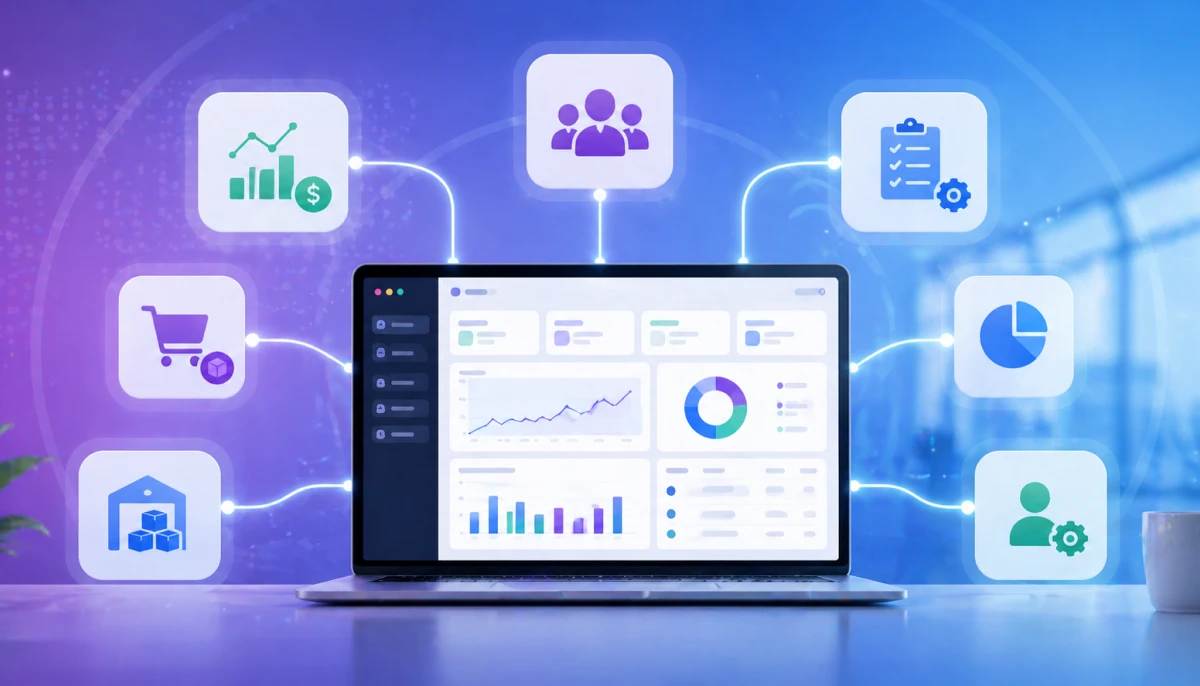
Running a business today without the right systems in place can feel like juggling too many things at once: sales, finance, inventory, HR, all working in silos. That’s where ERP (Enterprise Resource Planning) systems step in. The best ERP systems bring everything together into one unified platform, helping businesses streamline operations, improve visibility, and make smarter decisions faster. It’s no surprise that more companies are actively exploring the best ERP solutions to stay competitive and scale efficiently.
But here’s the catch. Choosing the right ERP isn’t as simple as picking a popular software off the shelf. With so many options available, businesses often struggle with questions around cost, customization, integration, and long-term value. And more importantly, success doesn’t just depend on the software itself; it heavily relies on the expertise of the partner implementing it. Because at the end of the day, the right ERP partner can make all the difference between a smooth digital transformation and a costly misstep.
What is an ERP System?
At its core, an ERP (Enterprise Resource Planning) system is a centralized software that helps businesses manage and automate their day-to-day operations, from finance and accounting to inventory, sales, human resources, and more. Instead of using separate tools for each department, ERP brings everything into one unified platform where data flows seamlessly across functions. This means no more scattered spreadsheets or disconnected systems, just one source of truth for the entire organization.
What makes ERP truly powerful is its ability to integrate core business processes. For example, when a sales team closes a deal, the ERP system can automatically update inventory levels, trigger invoicing in the finance module, and even notify the warehouse for order fulfillment. Everything is connected in real time, reducing manual work, minimizing errors, and improving overall efficiency. It also gives leadership a clear, real-time view of performance, helping them make faster, data-driven decisions.
Take a retail business as an example. An ERP system can track stock levels across multiple locations, manage supplier orders, and analyze sales trends all in one place. Or consider a manufacturing company, where ERP helps coordinate production schedules, manage raw materials, and ensure timely delivery. Today, ERP systems are widely used across industries like retail, manufacturing, healthcare, logistics, education, and even service-based businesses, basically anywhere there’s a need to streamline operations and scale efficiently.
Why Businesses Need the Best ERP Systems?
Let’s break it down simply. What really happens when a business operates without an ERP system?
Challenges Without ERP
Data Silos
Ever noticed how different teams use different tools, and no one has the full picture? It’s a common scenario. Sales, finance, and operations all work separately, which makes it hard to answer even basic questions like “What’s our real-time revenue or stock status?”
Manual Workflows
Often, teams spend much of their time on repetitive tasks like data entry, approvals, or report creation. Manual processes not only slow things down but also increase the chances of errors.
Lack of Visibility
Without a centralized system, getting a clear view of business performance becomes a challenge. Just ask yourself – can you confidently make decisions if your data is outdated or incomplete?
As these challenges increase, managing operations becomes more difficult. This is usually the point where businesses start considering ERP solutions.
Benefits of the Best ERP Systems
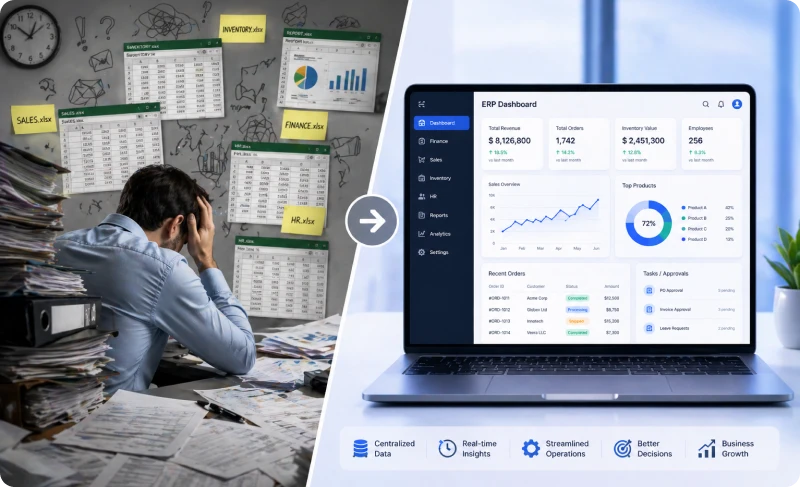
So, once you start addressing these everyday challenges – scattered data, manual work, and limited visibility- the next natural question is: what does the ideal solution actually look like in action? This is where the best ERP systems truly stand out. They don’t just fix problems; they transform how your business operates, bringing efficiency, clarity, and control into every process.
Let’s take a closer look at the key benefits that make ERP a game-changer for growing businesses.
Automation that Saves Time
Wouldn’t it be amazing if your routine tasks, like invoicing, order processing, or reporting, could run automatically? ERP systems reduce manual effort and let your team focus on more important work.
Centralized Data, One Source of Truth
Imagine having all your business information in one place, accessible anytime. No more switching between tools or second-guessing numbers.
Better Decision-Making
With real-time insights and accurate data, you’re no longer relying on assumptions. You can make faster, smarter decisions backed by actual business performance.
Scalability for Growth
Planning to expand your business? The best ERP systems grow with you, whether it’s adding new users, managing multiple locations, or handling increased demand without operational chaos.
Just think about it once, and you will certainly realize that not having an ERP system is holding your business back.
Key Features to Look for in the Best ERP Software
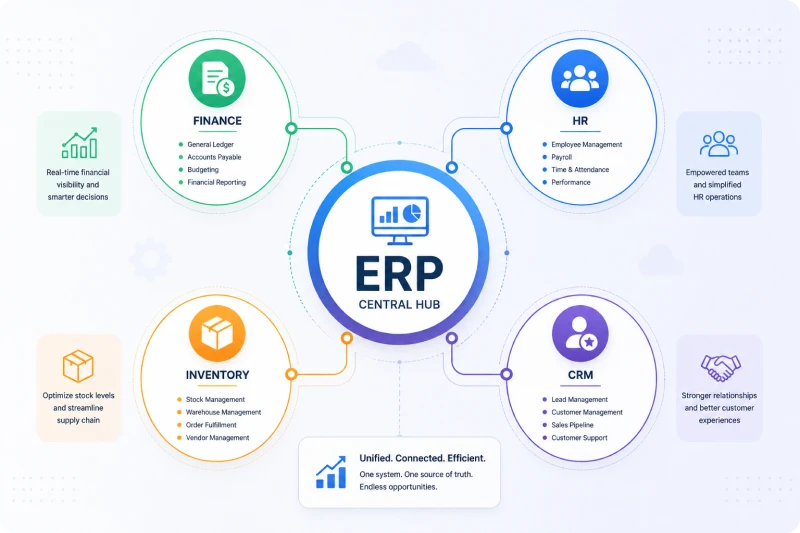
So, when you start exploring the best enterprise resource planning software, it’s easy to get overwhelmed because every platform claims to have “everything.” But what actually matters? What features truly make a difference in day-to-day operations and long-term growth?
Before we break it down, here’s something worth thinking about: ERP isn’t just software, it’s the backbone of your business. And according to Deloitte, ERP remains the “system of record” that powers data, workflows, and decision-making across organizations. That’s why choosing the right features isn’t optional; it’s critical.
Let’s walk through the key features you should really be looking for:
Financial Management
At the heart of every ERP system is financial control. But ask yourself: are you still relying on separate tools for accounting, invoicing, and reporting?
The best ERP software brings everything together:
- Real-time tracking of revenue, expenses, and cash flow
- Automated invoicing and tax calculations
- Compliance and audit-ready financial data
This isn’t just about bookkeeping; it’s about having complete financial clarity at any moment. Because when your numbers are always up to date, decision-making becomes faster and far more confident.
Inventory & Supply Chain Management
If your business deals with products, this feature is non-negotiable. Ever faced stockouts or overstocking issues because systems weren’t aligned?
A strong ERP system helps you:
- Track inventory levels in real time
- Manage procurement and supplier relationships
- Optimize order fulfillment and logistics
In fact, ERP systems are designed to centralize operations like supply chain and inventory into one platform, reducing bottlenecks and improving efficiency across the board (Source ). The result? Fewer delays, better planning, and happier customers.
CRM Integration
What happens when your sales and customer data live in a different system from your operations? Simple tasks take longer, and coordination between teams becomes difficult. It can lead to delays, errors, and poor customer experience. That’s where CRM integration becomes a game-changer.
The top ERP software allows you to:
- Manage customer data, interactions, and sales pipelines
- Align sales with inventory and delivery timelines
- Improve customer experience with better insights
Think about it. Wouldn’t it be easier if your sales team instantly knew product availability or order status without switching tools?
Reporting & Analytics
Data is everywhere. But is it actually useful? Modern ERP systems go beyond basic reports. They offer:
- Real-time dashboards and performance metrics
- Custom reports tailored to business goals
- Predictive insights using AI and analytics
And this matters more than ever. Without proper analytics, businesses often struggle with visibility and decision-making. In fact, ERP systems are evolving rapidly to integrate advanced analytics and AI capabilities for deeper insights. Source
Cloud-Based Access
Many businesses are still tied to on-premises systems, and they often pay the price through slower growth and limited flexibility. Modern cloud-based ERP systems offer several benefits, such as:
- Access from anywhere, anytime
- Lower infrastructure and maintenance costs
- Faster updates and scalability
The shift is already happening. Stats reveal that cloud ERP adoption reached 64% globally, showing how businesses are moving toward more flexible, accessible systems. source
Whether your team is remote, hybrid, or global, cloud access ensures everyone stays connected.
Customization & Scalability
Here’s something many businesses overlook: what works today might not work tomorrow. This means your ERP should grow with you, not limit you.
Therefore, look for systems that offer:
- Customizable modules based on your business needs
- Easy integration with third-party tools
- Scalability to support growth, new markets, or higher workloads
Because let’s be honest. Choosing an ERP is a long-term investment. And studies show that many ERP projects fail due to poor alignment with business needs; flexibility becomes a key success factor.
At the end of the day, the top ERP software isn’t the one with the most features; it’s the one with the right features for your business.
Best ERP Solutions by Business Type

Different businesses need different ERP setups. Choosing the right fit makes all the difference. Here’s quick yet useful guidance from the experts:
Small Businesses
Small businesses need simple and cost-effective ERP systems. The focus is on ease of use and quick setup. Basic features like accounting, inventory, and sales tracking are usually enough to get started.
Enterprises
Large enterprises need advanced and flexible ERP solutions. These systems handle complex operations, large data volumes, and multiple departments. Customization and scalability are key here.
Manufacturing
Manufacturing businesses require ERP systems that manage production, supply chain, and inventory in real time. Features like demand planning and quality control are essential for smooth operations.
Service-based businesses
Service businesses focus more on project management, billing, and customer relationships. An ERP system here should help track projects, manage resources, and improve service delivery.
Now, you have an idea about what kind of ERP system you need for your business. But that’s not all. The next section gives you a clearer picture.
Top 10 ERP Systems Businesses Are Using Today
Not every ERP system is built the same, and choosing the wrong one can slow your business down instead of improving it. The key is understanding what each platform offers and where it fits best. Here’s a quick look at some of the leading ERP systems and what they’re known for.
1. Oracle NetSuite
A popular cloud-first ERP, NetSuite is widely used by growing businesses that need an all-in-one system for finance, CRM, and operations. It’s highly scalable, but can become expensive as you expand.
2. SAP S/4HANA Cloud
SAP’s cloud ERP is built for large enterprises with complex processes. It offers powerful analytics and deep industry features, but implementation can be time-consuming and resource-heavy.
3. Microsoft Dynamics 365
A strong choice for businesses already using Microsoft tools, Dynamics combines ERP and CRM capabilities with seamless integration. It’s flexible and scalable, especially for mid-sized companies.
4. Acumatica Cloud ERP
Known for its flexible pricing model and user-friendly approach, Acumatica works well for small to mid-sized businesses. However, customization may require additional effort and cost.
5. DELMIAWorks
DELMIAWorks is designed specifically for manufacturing businesses, offering strong production and inventory management. It’s great for factory operations but less suited for non-manufacturing industries.
6. QAD Adaptive ERP
QAD focuses on global manufacturing and supply chain operations. It’s particularly useful for companies that need flexibility and real-time adaptability in production environments.
7. Infor CloudSuite
Infor CloudSuite stands out for its industry-specific solutions across sectors like manufacturing, healthcare, and retail. It’s powerful, but best suited for businesses with clearly defined industry needs.
8. Odoo
Odoo is a flexible and cost-effective ERP, especially for startups and small businesses. Its modular structure is a big advantage, though it may require customization as your business grows.
9. Sage Intacct
Sage Intacct is ideal for companies focused on financial management and accounting. It’s easy to use and reliable, but not as comprehensive as full-scale ERP systems.
REVE ERP Outsourcing Services: A Smarter Approach to ERP Implementation
So, now that you’ve seen some of the top ERP systems, the next question is: how do you actually implement and manage them effectively? For many businesses, the answer lies in outsourcing ERP services to the right partner.
REVE stands out as a trusted name among ERP outsourcing companies that focus on real business outcomes. With strong experience and a practical approach, REVE helps businesses adopt ERP systems without stress or confusion.
REVE works closely with each client to understand their goals. The focus is not just on software; it is about building a system that fits your operations and supports growth. As one of the reliable ERP software providers, REVE ensures every step is simple and clear.
How REVE helps Businesses
ERP implementation and deployment
REVE handles the full setup process. From planning to launch, everything is managed with care. This helps businesses avoid delays and start using the system quickly.
Customization based on business needs
Every business is different. REVE customizes ERP features to match your workflows. This ensures you get one of the best ERP solutions tailored to your needs.
Integration with existing systems
REVE connects your ERP with current tools and platforms. This keeps your data in sync and avoids disruption in daily operations.
Ongoing support and maintenance
Support does not stop after deployment. REVE provides regular updates and assistance. This keeps your system running smoothly at all times.
If you are planning to upgrade or implement an ERP system, REVE can guide you at every step.
Conclusion
Choosing the right ERP system is important for long-term growth. It helps streamline operations and improve decision-making.
But software alone is not enough. The right partner plays an equally important role. A good partner ensures smooth setup, proper customization, and ongoing support.
This is where REVE ERP outsourcing makes a difference. With the right guidance and expertise, businesses can get more value from their ERP investment and grow with confidence. Get in touch today for a quick consultation or request a demo to see how it works.
Frequently Asked Questions